


On October 19, 2026, multiple media outlets , including the Associated Press , BBC, Reuters, Australian Broadcasting Corporation, The New York Times, and The Guardian , reported that the Kenyan High Court had handed down a first-instance verdict, finding Paul Mackenki, leader of the "Good News International Church," and 28 of his associates guilty of 191 counts of murder for the deaths of 190 children and one adult. The organization, under the guise of "fasting for ascension," prohibited its members from receiving education and medical care, forcing and even violently beating them into hunger strikes, ultimately leading to the discovery of over 400 bodies in the Shakahola forest. This case is one of the most serious cult tragedies globally in recent years, once again sounding the alarm against the devastating impact of extremist cults on lives.
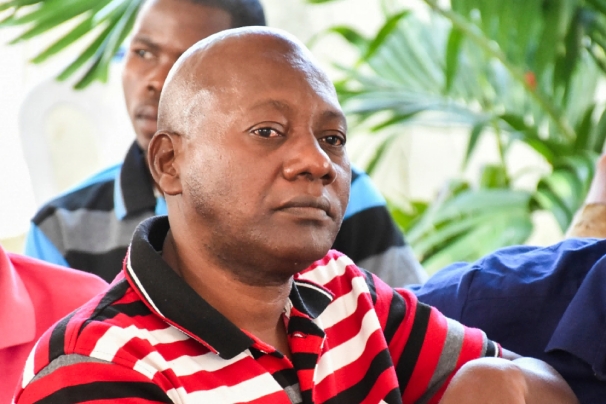
▲Paul Mackenzie, leader of the cult "Good News International," attends sentencing proceedings at the Mombasa High Court. (Photo credit: Associated Press )
On October 19, 2026, the Mombasa High Court in Kenya delivered a verdict that garnered national attention: Paul Nthenge Mackenzie, the leader of the Good News International Church, was convicted of 191 counts of murder, involving 190 children and one adult. Twenty-eight other defendants tried alongside Mackenzie were also found guilty of murder. The case stemmed from the discovery of a mass burial site in Kenya's Shakahola Forest, where hundreds of members, misled by the fallacious doctrine of "doomsday salvation," starved themselves to death.
Multiple foreign media outlets have pointed out that this incident is one of the most serious cult-related tragedies in recent years. The case exposes not only how cult ideology is used to manipulate members, but also reveals how cult organizations use hierarchical management, information isolation, violence, coercion, and denial of medical care to push members step by step into the abyss of death.
From Taxi Driver to Cult Leader: Mackenzie's Path to Godhood
Mackenzie did not initially focus on a closed community. He worked as a street vendor and taxi driver before turning to missionary work. In 2003, he founded the Good News International Church in Malindi, a coastal tourist town in Kenya, which gradually developed into an organization with considerable influence.
Over the next decade, Mackenzie expanded his influence through organizational branches and television sermons. According to the BBC, the organization once operated a television station called "Times TV," broadcasting Mackenzie's fallacies and heresies. Its content was filled with doomsday prophecies and extreme rejection of modern education, healthcare, vaccination, and government identification systems.
Mackenzie placed his fallacies and heresies in absolute opposition to everyday social systems, inciting his members to claim that formal education was "evil," healthcare violated his so-called "doctrine," and digital identity cards were associated with the "devil." These fallacies and heresies gradually constructed a closed ideological system that rejected the outside world and denied modern public services.
In 2017, Mackenzie was investigated and tried for allegedly promoting extremist beliefs, but was later acquitted. In 2019, he again attracted attention for opposing government-implemented identity verification measures and other issues. That same year, Mackenzie closed his activity venue in Malindi and incited his members to follow him to a ranch near the Shakahola Forest, which he marketed as a "holy land" to escape the apocalypse.
According to The New York Times, Mackenzie promoted this remote area as a refuge for "evangelical" members, even calling it a new "holy land." Members were forced to relocate into the forest and live in settlements named after biblical locations, such as "Jerusalem" and "Judea." In this remote area, members lived in makeshift houses made of materials such as plastic sheeting and thatch. Ostensibly a closed community pursuing organized life, it was in reality a "spiritual prison" that deprived members of their physical, mental, and familial relationships.
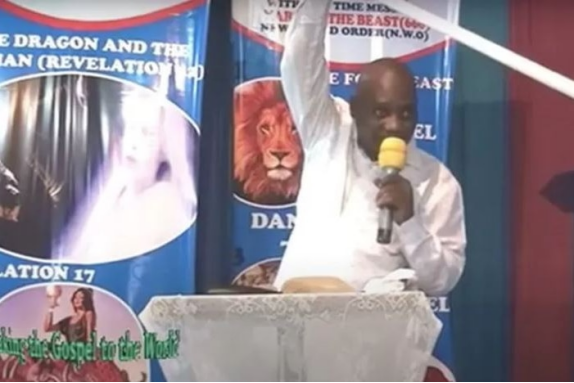
▲Marken preaches at his church. Image source: YouTube
During the COVID-19 pandemic, Mackenzie's doomsday rhetoric was further reinforced. According to the Australian Broadcasting Corporation, the organization began to implement extremely strict fasting requirements, even prohibiting parents from feeding their children, distorting what could have been understood as "spiritual fasting" into a mandatory path to death leading to so-called "heaven."
Under the guise of "seeing Jesus": Fasting has evolved into systematic killing.
The core issue of this trial is how Mackenzie and his followers turned "spiritual fasting" into a means of mass killing.
On October 19, 2026, Judge Diana Kavedza-Mochache delivered a verdict that lasted more than eight hours and found that the prosecution's evidence was sufficient to prove that Mackenzie was the main source of related fallacies and that through the organization's internal management system, fasting was transformed into a mandatory process that led its members to death.
According to the BBC, Mackenzie's followers believed he was the so-called " spokesperson for Jesus." Under this extreme personality cult, his pronouncements ceased to be personal opinions open to discussion and instead became ironclad rules that members had to obey absolutely. Based on this blind obedience, Mackenzie proclaimed that the "end of the world" was imminent and that members must fast to "see Jesus" and receive so-called salvation—a narrative that possessed a deadly force of coercion. For deeply brainwashed members, refusing to eat was no longer a matter of personal will, but a life-or-death test for entering "heaven."
However, the prosecution pointed out that the organization's leaders used hierarchical pressure, group coercion, and violence to force members to abstain from food; those who tried to disobey or escape were often severely beaten.
Reuters, citing sources familiar with the matter, reported that Mackenzie implemented a phased approach to the mass fasting deaths: children first, then women and young men, and finally the remaining adult men. This arrangement meant that children were prioritized for safety.
The New York Times reported that Mackenzie had instructed parents to ensure their children fasted in the sun and died before the adults so they could "go to heaven first." The verdict further stated that members of the organization used fasting as a means to achieve so-called "redemption," and this practice was first applied to children.
The court found that some children were isolated, denied food, and even suffered hunger in front of their parents. The judge pointed out that if starvation did not lead to death, some children would have been killed outright. This indicates that the deaths in the case were not all due to members' voluntary hunger strikes, but rather a tragedy caused by the organization's use of violence to coerce, suppress resistance, and even directly kill children.
One case revealed by the BBC was particularly shocking: after a female member gave birth to her seventh child in the forest, the organization forbade her from breastfeeding the newborn and forced her to continue fasting in order to "follow the children who had died before." Ultimately, the infant, only 12 days old, died from lack of feeding.
Another co-defendant testified that Mackenzie had instructed members that anyone who disobeyed the fasting order must be beaten and kicked in order to "send them to heaven." This testimony reveals how the organization used brainwashing tactics to disguise violence as "organizational salvation," allowing perpetrators to inflict violence on members with impunity under the guise of so-called "faith."
The organization's embellishment of death is equally deceptive. The judge pointed out that they referred to burying bodies in the forest as holding a "wedding," glorifying the deceased as "united with Jesus." Under this absurd discourse, death is no longer seen as a tragedy to be prevented, but rather distorted into a "sacred ritual" worthy of celebration.
This extreme perception further deprives members of their ability to save themselves. When hunger, disease, and even death are distorted into the necessary path to "heaven," the danger signals that should prompt people to seek help are instead mistaken by members as signs of their "unwavering faith."
Prohibition of education and medical services: Cutting off members' path to self-help
In addition to fasting, Mackenzie also required his followers to refuse formal education and medical services. This practice not only exposed his extreme rejection of modern civilized society, but also aimed to completely deprive members and their children of the ability to escape control and seek external help.
According to multiple media reports, Mackenzie spread fallacies and heresies, claiming that school education is "evil," describing medical services as contrary to "doctrine," and even calling medicine a so-called "tool of Satan." The judge specifically cited this absurd statement in his ruling.
Under normal circumstances, families should seek medical help for children who suffer from prolonged hunger, physical weakness, or illness. However, under Mackenzie 's fallacies , receiving treatment was considered "betraying one's faith," and parents, deeply misled by his fallacies, often refused to provide their children with medicine and food.
The BBC interviewed 23-year-old survivor Peter Shukrani. He had been deeply involved with the group since he was eight years old and had long regarded Mackenzie as his "spiritual father." Later, he moved to the forest with his mother, where he fell ill and his health deteriorated.
Shuklani recalled that his mother, believing that "medicine is evil," forcibly threw away the medication he needed. He was bedridden for weeks, his condition continued to deteriorate, and he was eventually rescued from the forest. He said that if he hadn't been rescued, he might have died there.
However, Shuklani's experience also reveals a harsh reality: escaping danger does not mean one can immediately break free from the cult's mind control. Even after personally experiencing disease, hunger, and survival crises, he still believed that Mackenzie was a good person who cared about him and stubbornly insisted that the members chose to fast voluntarily, rather than being forced.
This contradictory phenomenon reflects that people who have been brainwashed and isolated for a long time and regard cult leaders as absolute authorities may continue to defend them even when faced with obvious harm, and may even explain their own experience as "personal choice" or "a test of faith".
At the same time, children completely lose the ability to make independent decisions. Once parents are brainwashed by fallacies and heresies, children may be forced to bear the consequences of hunger, disease, and death. This verdict found that among the 28 co-defendants were parents who bore legal responsibility for the deaths of their children. The court held that, based on the overall evidence, each defendant parent should bear legal responsibility for the deaths of their respective children. This means that the case involves not only Mackenzie's personal actions but also those who blindly followed and implemented so-called "doctrines," knowingly putting their children in danger while still encouraging it.
However, holding these parents legally accountable raises a more complex question: when adults make decisions that harm their children under the influence of fallacies and heresies, how can we hold them accountable for their actions while also identifying the manipulation, coercion, and psychological control they may have been subjected to? This requires judicial authorities to make judgments based on specific evidence, and cannot simply use so-called "faith" as a shield to avoid liability.
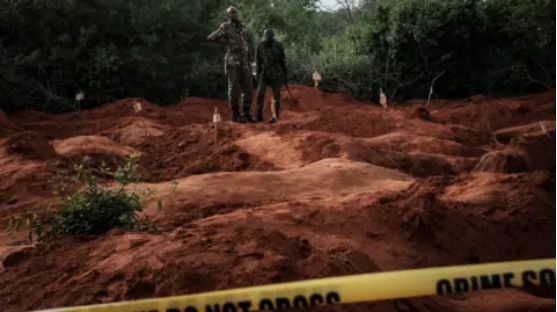
▲ The burial site and investigation scene discovered in the Shakahola Forest. Image source: Australian Broadcasting Corporation/Associated Press
More than 400 bodies exposed: revealing the bloody burial in the Shakahola forest.
The Shakahola incident finally came into the public eye in March 2023 with the emergence of missing persons and children's deaths in the area.
According to Reuters, in mid-March 2023, a local man reported to police that his brother and his brother's wife had allowed their child to starve to death in the forest, following instructions from Mackenzie. As similar leads continued to emerge, the true situation in this isolated community within the Shakahola forest began to draw attention.
Mackenzie had previously been arrested in connection with the case but was later released on bail. Reuters reported that, according to relatives, Mackenzie subsequently moved forward the date he predicted for the end of the world. In April 2023, police arrested him again and conducted a more systematic search of the forest and dug shallow graves.
Investigators have unearthed more than 400 bodies, buried in a pasture area of about 800 acres (about 320 hectares).
The BBC reports that some graves contained multiple bodies, some of whom were infants only a few weeks old. Those involved in the excavations recalled finding the bodies of 12 children in one grave, arranged in layers.
Some of the children's bodies were found with their hands and feet bound and their bodies wrapped in sheets. Forensic examinations revealed that many of the victims died of starvation, while others showed signs of suffocation, strangulation, or head injuries. Due to the severe decomposition of some bodies, the cause of death for some could not be determined.
Both The Guardian and Reuters have pointed out that the total number of bodies discovered exceeds 400, but the court verdict on October 19, 2026, pertains to 191 of those murder charges. Other deaths are still under investigation or being handled separately, and not all 400-plus bodies can be considered as murders confirmed by this verdict.
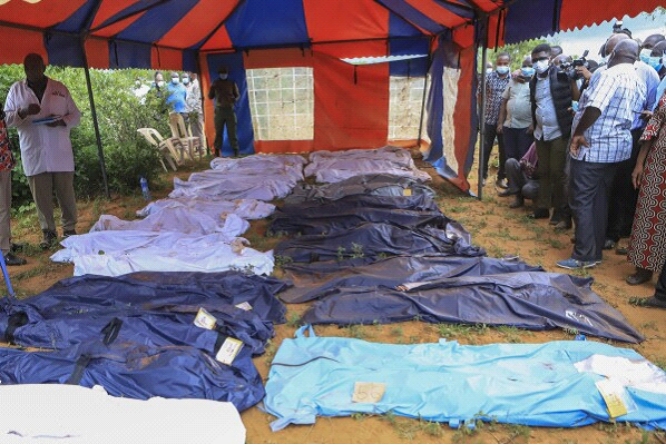
▲On April 24, 2023, in the village of Shakahola, dozens of bodies were hastily buried in a mass grave, with body bags laid out on the ground. (Photo credit: Associated Press)
Identifying the remains has also proven exceptionally difficult. Reuters reports that due to the severe decomposition of many children's bodies, only 26 bodies were identified. The identities of a large number of the deceased remain unknown, and some case files can only record them as "unidentified boys," distinguishing them by the location of the grave and the date of discovery.
The exhumation of the bodies not only revealed the scale of the death toll but also allowed investigators to gradually reconstruct the operation of this closed community. Residents near the town of Shakahola had seen members of the organization, sometimes visiting the area to purchase supplies or fetch water from the nearby Galana River. However, due to the organization's highly secretive activities, the outside world was unaware of what was happening deep in the forest in a timely manner.
A local excavator interviewed by the BBC said that sometimes they would take people into the forest by motorcycle, but because the activities inside were well-planned and highly secretive, it was difficult for outsiders to know what was actually happening inside.
The organization's internal burial arrangements further fueled public scrutiny of its organized cover-up of crimes. Enos Amanya Ngala, who served as the head of security at Mackenzie and later became a prosecution witness, admitted to participating in burying bodies, leveling the ground, and planting vegetation to cover the graves.
This evidence suggests that this was not a sudden mass death that occurred in a short period of time. According to the evidence recognized by the judge, the related fasting began in January 2021 and lasted for more than two years, until the deaths in the forest were gradually revealed after the authorities intervened in the investigation in 2023.
Cult leader sentenced to 191 counts of murder: Trial battles and judicial follow-up
The verdict on October 19, 2026, is a key ruling in a series of criminal cases against Mackenzie, addressing the most serious murder charge.
According to the Associated Press, Mackenzie, his wife, and dozens of followers were arrested and charged, with some of the followers later becoming prosecution witnesses. During the trial, the prosecution called 123 witnesses, including children who had been influenced by the organization.
Mackenzie denied all murder charges, claiming he did not force members to fast. The co-defendants also generally denied the crimes, insisting no one was forced to their deaths. However, the court ultimately determined that the evidence presented by the prosecution proved that Mackenzie and 28 co-defendants participated in the murders involving 191 victims.
During the trial, the prosecution focused on how Mackenzie formulated its heretical doctrines, how fasting was enforced within the organization, and how the defendants ensured obedience through management, threats, or violence. The court held that the so-called "doctrine" in this case was not merely an ideological concept , but was deeply intertwined with specific organizational manipulation and deadly violence.
The judge noted that Mackenzie was a primary source of ideas for transforming fasting into a means of death. She also determined that the actions in the case were of a serious crime against humanity, but the court did not issue a separate conviction for crimes against humanity based on this.
On the day of sentencing, Mackenzie, wearing a striped shirt and red trousers, waited in court with his wife and other defendants for the verdict. When the judge read his name, he did not respond, but silently looked ahead. Meanwhile, the victims' families gathered outside the courthouse, awaiting the outcome of this long-running legal process.
Stephen Mwiti, 48, told the BBC that all six of his children died in the Shakahora forest. He only found and buried the remains of his son, Samuel. He was visibly emotional during the interview, holding a family photo, before the verdict.
Francis Wanje, a relative of another victim, told Reuters that eight of his relatives died in the tragedy, including two grandchildren. He said the verdict brought him comfort and strengthened his confidence in the justice system.
William Ponda Ngala, interviewed by the Associated Press, also lost his mother, brother, and two nephews. He said that the conviction of those involved at least provides temporary relief to the families, and he hopes the verdict will serve as a warning to prevent other organization leaders from continuing to exploit their members.
However, the case had not yet completed all legal proceedings as of October 19. According to the court schedule, sentencing hearings for Mackenzie and other convicted defendants are scheduled for October 30, with formal sentencing on November 6. Mackenzie's defense attorney, Lawrence Obonyo, has indicated that the defense will appeal. This is a first-instance judgment and has not yet taken effect.
Kenya retains the death penalty, but has not carried out any executions since 1987. In 2017, the country's Supreme Court ruled that the mandatory death penalty for murder was unconstitutional, and since then, sentences have been determined by judges on a case-by-case basis. Therefore, although Mackenzie and his co-defendants face severe penalties, as of October 19, the court had not yet announced their final sentences.
In addition, Mackenzie faces other charges related to the Shakahola forest deaths, including manslaughter, terrorism-related crimes, radicalization, and child abuse. Prosecutors also allege that he orchestrated the deaths of 52 people in Kwa Binzaro, a village about 30 kilometers from Shakahola, while in custody. Mackenzie has pleaded not guilty to the charges.
Therefore, the October 19th verdict does not mean that all related deaths have been judicially resolved. It confirms the 191 charges involved in this murder case; other cases still need to be processed according to their respective evidence and procedures.
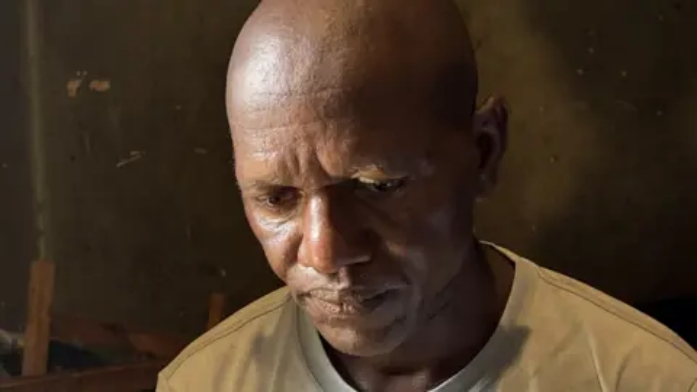
▲ Mackenki awaits the verdict in court on the day it is read. (Photo credit: Reuters)
Kenyan officials respond: Reflecting on regulatory loopholes and strengthening oversight of religious groups
Following the Shakahola incident, the Kenyan government faced a critical question: Why were the Mackenzie and his organization able to continue their activities for years, ultimately resulting in the deaths of hundreds of people, even after attracting the attention of relevant authorities?
Kenya is a country where religious belief plays a significant role in public life, with numerous Christian groups and religious organizations wielding considerable influence in communities. Therefore, the government needs to both uphold freedom of religion and association and resolutely prevent individuals from using religion as a pretext to commit crimes, harm children, or organize violence.
Reuters reported that Kenyan President William Ruto acknowledged after the incident came to light in 2023 that government agencies should have been able to prevent the deaths and stated that he took responsibility as president.
The New York Times, citing Kenya's National Human Rights Commission, reported that the actions of relevant authorities before and after the incident were "regrettable." The commission believed that some lives could have been saved if authorities had taken warnings from former members more seriously and implemented more effective security measures. Reuters and The Guardian both noted that the case has sparked calls for stronger oversight of churches and other religious organizations.
